
 聯係我們
聯係我們
In the context of green development, the Chinese solution to "carbon neutrality" - recycling, energy efficiency and low carbon - is receiving more attention. Promote green product design and build a green manufacturing system. We are accelerating the construction of a recycling system for waste materials, strengthening the recycling of waste paper, waste plastics, waste tyres, waste metals, waste glass and other recycled resources, and improving the resource output rate and recycling rate.
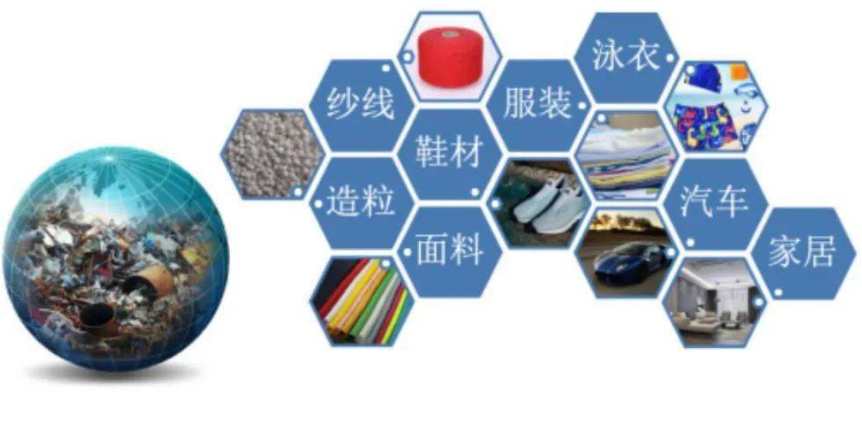
Henan Pingyuan, as the source production factory of GRS-certified recycled plastics, has been committed to environmental protection and recycling for more than ten years. Through independent research and development and adjustment of production processes, it has become a leading enterprise in the industry for a variety of recycled plastic products such as RPE/RPET/RABS/RPP/RPC/RTPU/RPC/RPOM/RPCTG. And it has become the only designated supplier of GRS certified plastic pellets to large domestic and international companies.
Most of the waste plastic bottles have great use value, such as used to make packaging materials, daily necessities, industrial supplies, household products and so on. When it comes to plastic, I'm sure we are not unfamiliar with it, from small plastic bags to plastic bottles, from large to various parts and even aircraft parts are plastic, simply everywhere. When plastic products have no more use and become rubbish, they become the biggest headache for human beings. This is because plastic waste is hard to degrade and lasts much longer than humans.
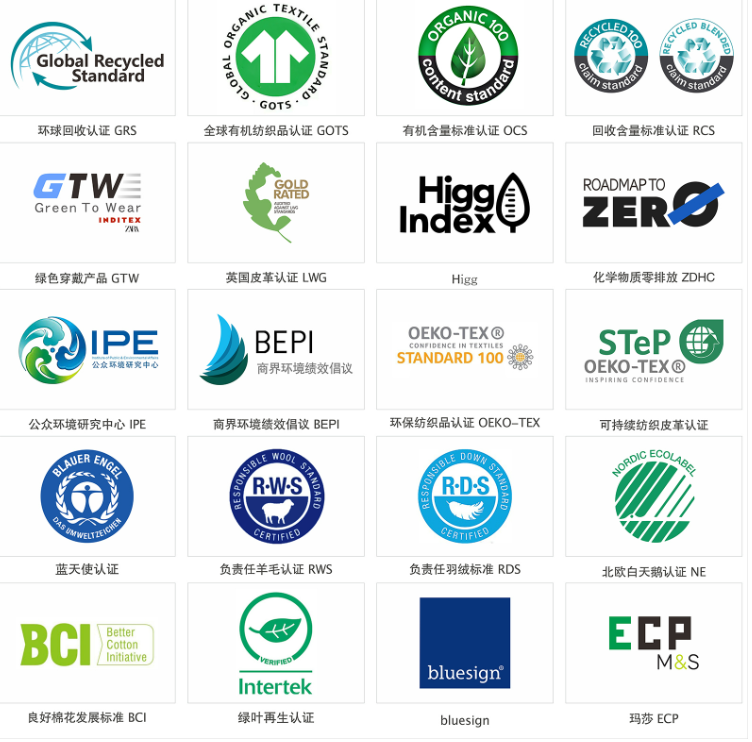
In recent years, as global environmental awareness has increased, brands are taking action to recycle. Consumers' right to vote on purchases, etc. have made the introduction of standards for the supply chain of recycled materials inevitable. The themes of recycling of production materials and promoting a circular economy to protect the environment are constantly being raised and emphasized. The GRS (Global Recycled Standard) focuses on recycled content, social and environmental practices and chemical use throughout the supply chain. This has made the standard a focal point for the recycled supply chain as well as for buyers and brands that are ready to participate in the recycled supply chain. Henan Pingyuan has also been committed to specifying industry standards in the field of recycled plastics. So far, the industry sectors covered include cosmetics, toys, household appliances, electronic products, clothing and automobiless. In PCR products, Henan Pingyuan focuses on the production of high quality recycled plastics and strictly controls every production step.
The Global Recycle Standard Certification GRS is an international, voluntary and comprehensive product standard that sets out third party certification requirements for recycled content, chain of custody, social and environmental events and chemical restrictions. the goal of the GRS is to increase the use of recycled materials in products and to reduce/eliminate the hazards caused by their production. In terms of well-known global clothing brands, more and more high-end fashion brands are increasing day by day and are countless, but in terms of popularity, there are famous and world-renowned brands such as GAP, the casual fashion giant from the USA, H&M, the fashion giant from Sweden, C&A, the affordable clothing chain giant from Germany, and Inditex Group from Spain, which is ranked number one in Spain and one of the four largest fashion chain, Inditex owns ZARA, Pull&Bear, MassimoDutti, Bershka, Stradivarius, Oysho, ZaraHome, Uterque, ZaraKids clothing brands, ZARA is the most successful of them all and is considered to be the most researched brand in Europe one of the most successful and considered one of the most researched brands in Europe.
With the GRS certification, the company has the opportunity to be included in the purchasing catalogues of international buyers and world famous companies on the one hand. Having a standardised label for recycled material content is also a solid step towards the international stage. On the other hand, it enhances the competitiveness of a company's "green" and "environmentally friendly" market and increases its brand value and influence. Having this ticket is the standard, and the concept of green, environmental protection, recycling and recyclability has gradually gained popularity. Henan Pingyuan hopes to contribute its share of enthusiasm to the green earth and provide corporate responsibility to change the world and achieve global sustainable development. We are willing to guard the green earth together with everyone.
綠色發展的(de)大背景下,“碳中和”的中國方案——循環再生、節能高效、低碳更受(shòu)關注。推行產(chǎn)品綠色設計,建設綠(lǜ)色製(zhì)造體(tǐ)係。加快(kuài)構建廢舊物資循環利(lì)用(yòng)體係,加強廢紙、廢塑料(liào)、廢舊輪胎(tāi)、廢金屬、廢玻璃等再生資源回收利用,提升資(zī)源產出率和回收利用率。
河南香蕉影视作為GRS認證的再生塑膠的源頭生產工廠,致(zhì)力於環保再生已經有十多年(nián),通過自主研發以及調整生產(chǎn)工藝,已經(jīng)在RPE/RPET/RABS/RPP/RPC/RTPU/RPC/RPOM/RPCTG等多種再生(shēng)塑膠產(chǎn)品中成為業內(nèi)領先的企業。而且成為了國內外大型(xíng)企業唯一指定的GRS認證塑膠顆粒供應商。
大多數廢舊的塑料瓶都有很大(dà)的利用價值,例如用來做包裝材料、日用品、工業用品、家用品等(děng)等。提起塑料,想必大家都不陌生,小到塑料袋塑料瓶,大到各種零件甚至包括(kuò)飛機的零件都是塑料,簡直無(wú)處不在。當(dāng)塑料產品沒有了使用價值(zhí)變成垃圾後,又成為人類最頭痛的存在。因為塑料垃圾難以(yǐ)降解,壽命比人(rén)類長太(tài)多。
近年(nián)來,隨著全球(qiú)環保意識的增(zēng)強,品牌(pái)的再生行動。消費者的購買(mǎi)投票權等都使得對於再生材料供應鏈的標準引入成為必然(rán)。生產資料回收再利用、促進循環經濟等保護(hù)環境(jìng)的主題被不斷地提出和(hé)重視。而GRS(Global Recycled Standard)關注整個供應鏈中的再生成分、社會(huì)和環境實踐以及化學品使用。使(shǐ)得這一標準(zhǔn)成為再生供應鏈以及準備(bèi)參與再生供應鏈的買家和品牌關注的焦(jiāo)點。河南香蕉影视(yuǎn)也一直致力於在再生塑膠領域指定(dìng)行業的標準,目前為止,所涉及的行業領域有化妝品、玩具、生活用具、電子產品、服裝、汽車等,在PCR產(chǎn)品中,河南平(píng)遠注重高品質再生塑膠的生產,嚴格把控每一個生產環節。
全球回收標準認(rèn)證GRS是一項國際、自願(yuàn)和全麵的產品標準,規定了回(huí)收內容、產銷監管鏈、社會(huì)和環境事件以及化學品限製(zhì)的第(dì)三方認證要求。GRS的目標是增加產品中回收材料的使用(yòng),並減少/消除其生產所造成的危害。從全球服裝知名品牌來看,越(yuè)來越多的高端時裝品牌與日俱(jù)增,不計其數,但從知名度來看,有美國的休閑(xián)時裝巨頭GAP、瑞典的(de)時裝巨頭(tóu)H&M、德國的平價服裝連鎖巨頭C&A、西班牙的Inditex集團等著名的世界知名品牌,而Inditex集團是西班牙排(pái)名第(dì)一,世界四大時裝連鎖機構之一,Inditex旗下擁有ZARA、Pull&Bear、MassimoDutti、Bershka、Stradivarius、Oysho、ZaraHome、Uterque、ZaraKids服裝品牌,ZARA是其中最成(chéng)功(gōng)的,被認(rèn)為是歐洲最具研究價值的品牌之一。



 河南省許昌(chāng)市鄢陵縣先進製造(zào)業開發區(qū)創業大(dà)道(dào)1號